


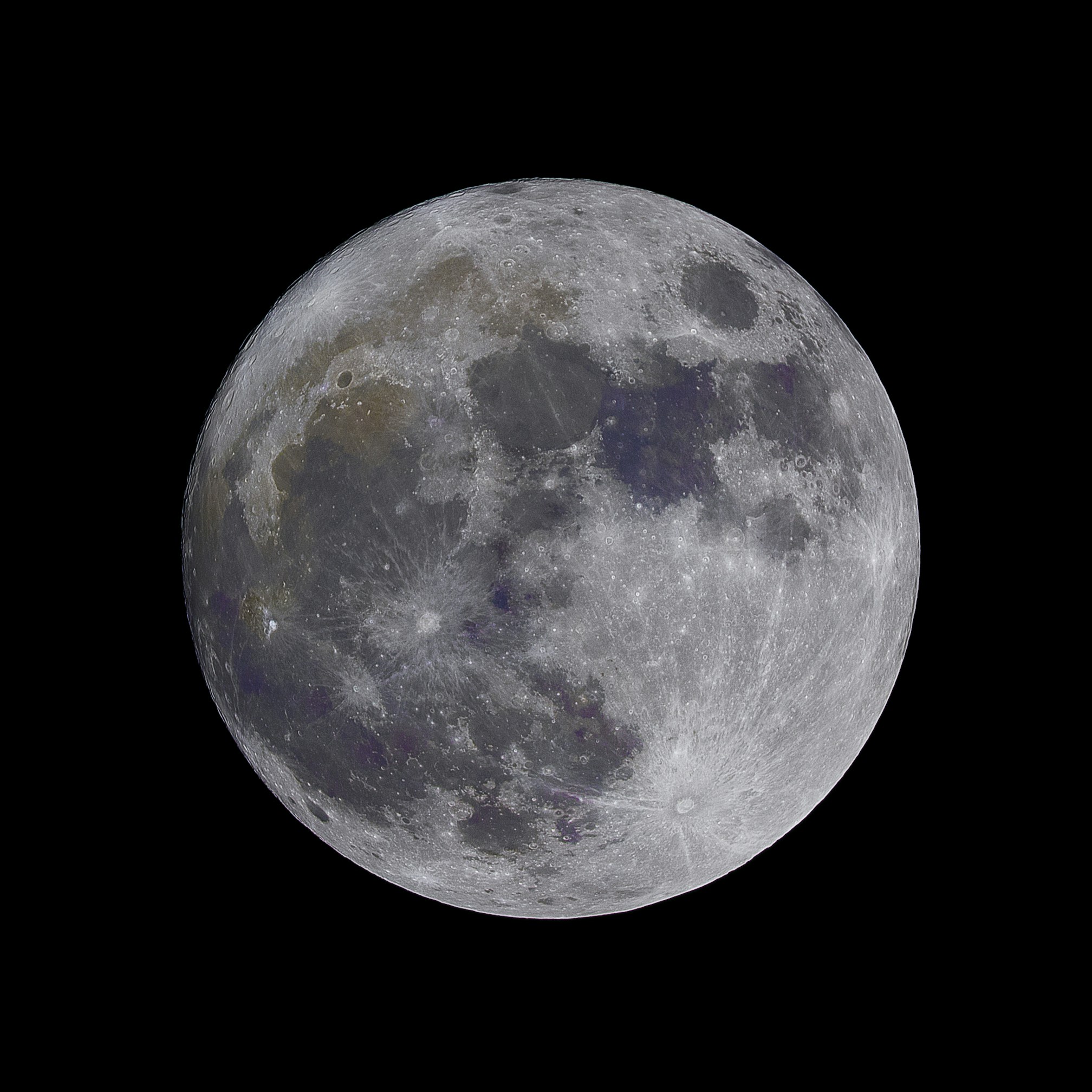
Astronomers traced the origins of Theia, the vanished planet that shaped the Moon, using ancient lunar and terrestrial rocks.
They concluded Theia likely formed closer to the Sun than previously thought.
Theia collided with early Earth about 4.5 billion years ago.
Debris from that impact created the Moon and spread Theia’s material across both bodies.
The giant impact theory has guided lunar science for over fifty years.
Scientists lacked direct chemical evidence because Theia disappeared billions of years ago.
Its composition and precise birthplace remained uncertain until now.
Jake Foster from the Royal Observatory Greenwich described the research as remarkably precise despite Theia’s disappearance.
Reconstructing Theia from Isotopes
Researchers analysed Apollo samples and Earth rocks to study isotopes of metals.
These isotopes act as chemical fingerprints revealing formation conditions in the early Solar System.
Earth and Moon rocks share nearly identical metal isotope ratios, complicating the separation of Theia’s material.
The team examined iron, chromium, zirconium, and molybdenum isotopes to model hundreds of early Solar System scenarios.
They tested combinations to see which would reproduce the isotopic patterns seen today.
Planets closer to the Sun form under higher temperatures, leaving distinct isotopic signatures.
Comparing these signatures, scientists determined Theia came from the inner Solar System, nearer the Sun than Earth.
This finding overturns previous ideas suggesting Theia formed farther from the Sun.
Implications for Planetary Evolution
Researchers hope these findings illuminate how planets form, collide, and evolve in young solar systems.
The study demonstrates how isotopic analysis can reconstruct the histories of vanished worlds.
Astronomers aim to apply these methods to other early Solar System bodies.
The research may refine models of planetary growth and the dynamics of giant impacts.
Understanding Theia’s origin improves knowledge of the Moon’s formation and Earth’s early history.
Future studies could expand on how collisions shape planetary systems across the galaxy.
This approach highlights the value of combining terrestrial and lunar samples to unlock ancient planetary mysteries.
