


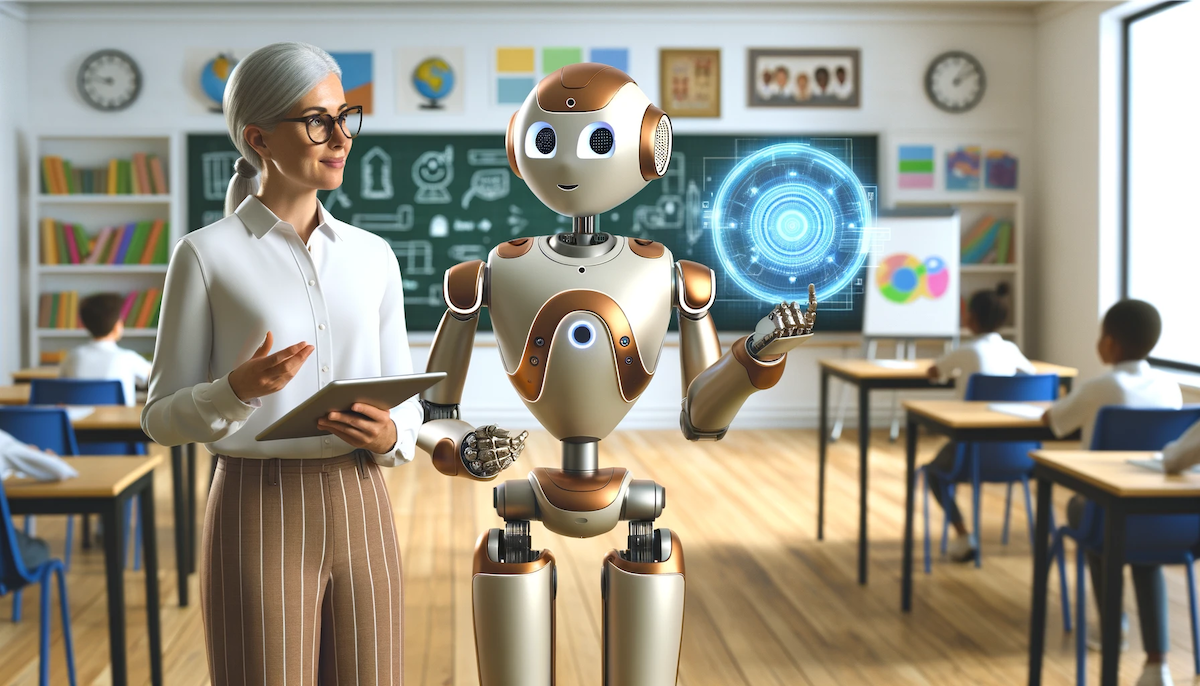
McGraw Hill has introduced a Generative AI teacher assistant nationwide for K‑12 schools. The new tool is designed to help teachers plan lessons, guide classroom instruction, and offer personalized writing support to students.
The AI assistant aims to make teaching more efficient. Educators can use it to create lesson plans quickly, adapt materials to student needs, and access resources to strengthen classroom instruction. For students, the tool includes a writing assistant to help with essays, assignments, and creative writing tasks.
Experts say the rollout is a significant step for EdTech innovation. By providing scalable, AI-powered support, the assistant can reduce teacher workload while enhancing student learning. Teachers can now focus more on classroom engagement rather than administrative tasks.
The AI tool works by analyzing curriculum requirements and classroom goals. It can suggest teaching strategies, prepare activity plans, and provide prompts for student assignments. In writing support, it helps students structure their work, check grammar, and develop ideas effectively.
Educators have responded positively to the launch. Many see it as a practical way to address common classroom challenges, such as differentiating instruction for varied learning levels. The tool also allows teachers to tailor support to individual students, offering guidance that aligns with each learner’s pace and abilities.
McGraw Hill emphasizes that the AI assistant is meant to complement, not replace, teachers. It serves as a partner that enhances instruction, freeing educators to spend more time on direct student interaction. Schools using the tool can integrate it into daily lessons seamlessly, thanks to its easy-to-use design and AI-driven recommendations.
The adoption of AI in education has accelerated in recent years, but concerns about ethics and effectiveness remain. McGraw Hill says the assistant is built with safeguards to ensure data privacy, maintain educational integrity, and provide accurate guidance.
Education specialists note that AI tools like this can personalize learning experiences. Students receive immediate feedback, helping them improve their writing and learning outcomes. Teachers benefit from actionable insights that can inform future lesson planning and classroom strategies.
The K‑12 sector is increasingly looking for solutions to manage teacher workloads while improving student outcomes. Generative AI offers a new approach, combining technology and pedagogy to support educators in multiple ways.
With this launch, McGraw Hill joins a growing number of EdTech companies exploring AI in classrooms. The company plans ongoing updates to refine the tool, add features, and ensure it meets evolving educational needs.
Early trials suggest that the AI assistant can significantly enhance teaching efficiency. Teachers report saving hours on lesson preparation and gaining resources to address diverse classroom challenges. Students are also engaging more with writing tasks, benefiting from instant guidance and feedback.
By introducing a Generative AI teacher assistant, McGraw Hill is setting a benchmark for AI integration in education. The initiative highlights how technology can empower educators, support student learning, and foster innovation in teaching methods.
