


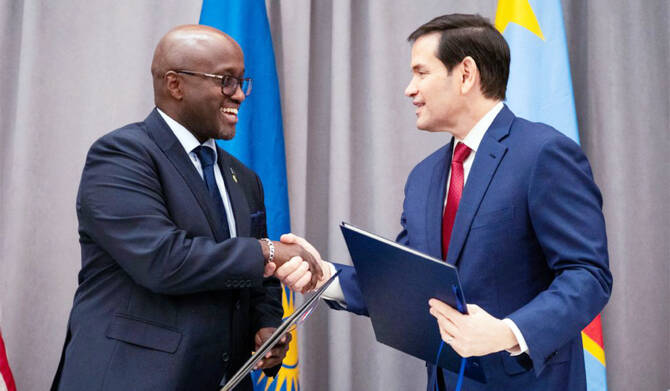
The United States has finalized a new health‑aid agreement with Rwanda worth up to $158 million. The deal aims to boost Rwanda’s response to HIV, malaria, and other serious diseases while strengthening the country’s health systems.
Under the agreement, the funds will be used to improve disease surveillance, ensure timely detection of outbreaks, and enhance the overall capacity of Rwanda’s healthcare services. The initiative highlights a growing commitment to global health and pandemic preparedness in the region.
Officials said the partnership will focus on preventing the spread of infectious diseases, expanding treatment programs, and supporting local health infrastructure. By investing in laboratories, data systems, and trained health workers, the program seeks to create a more resilient healthcare framework.
Rwanda has made significant progress in fighting HIV and malaria in recent years. This new support from the U.S. is expected to accelerate those efforts by providing additional resources for prevention, diagnosis, and treatment. Health experts note that timely funding can save thousands of lives by reducing infection rates and improving patient care.
The agreement also emphasizes strengthening Rwanda’s disease-surveillance systems. Modern surveillance tools will help track outbreaks more accurately and allow quicker response times. Early detection is critical for containing infectious diseases and minimizing their impact on communities.
In addition to disease prevention, the aid will improve health-system management. Funds will support training for medical staff, upgrading facilities, and ensuring that essential medicines and equipment are available across the country. By improving overall health infrastructure, Rwanda can better manage both current and future public health challenges.
The U.S. government has increasingly focused on global health partnerships, particularly in regions where infectious diseases pose major public health threats. Providing targeted assistance to countries like Rwanda helps protect not only local populations but also contributes to regional and global health security.
Healthcare analysts say that sustained investment is crucial. “Programs that build local capacity have a lasting impact,” said a health policy expert. “Supporting surveillance, treatment, and infrastructure means countries are better prepared for future health crises.”
This agreement represents one of the largest recent U.S. health‑aid packages for Rwanda. The funding is expected to be distributed over several years, ensuring continuity of programs and long-term improvements in healthcare delivery.
The aid package also encourages collaboration between Rwandan authorities and international health organizations. Coordinated efforts can enhance the effectiveness of programs and ensure that resources reach the communities that need them most.
By focusing on both immediate disease control and long-term system strengthening, the U.S.-Rwanda health aid deal sets a model for international health partnerships. The agreement demonstrates a shared commitment to improving health outcomes, reducing disease burden, and protecting vulnerable populations.
With the new funding, Rwanda is poised to advance its fight against HIV, malaria, and other infectious diseases. The investment will not only save lives but also contribute to a healthier and more resilient nation.
