


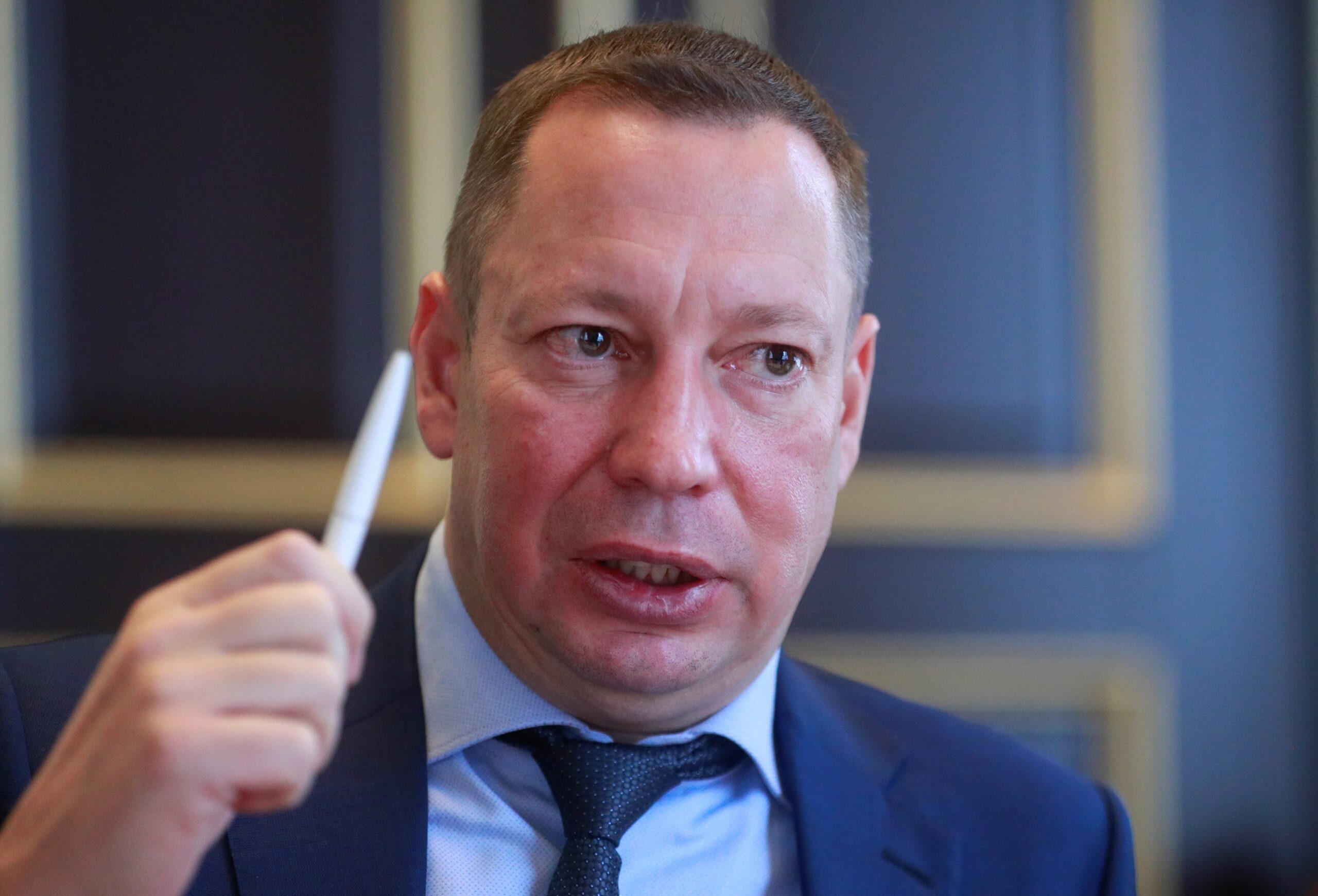
Vienna — The case of Kyrylo Shevchenko, Ukraine’s former central bank governor, is turning into more than a personal legal battle. It has become a test of Europe’s ability to uphold its principles of asylum and the rule of law while maintaining strong geopolitical ties with Kyiv.
From Stability to Sudden Charges
Shevchenko earned international respect for helping stabilize Ukraine’s economy after Russia’s full-scale invasion in 2022. Western partners and lenders saw him as a steady technocrat in a time of crisis.
But his career took a sharp turn that autumn. Just 24 hours after his resignation, prosecutors in Kyiv charged him with embezzlement and abuse of office.
Shevchenko insists the charges were politically motivated, claiming he was forced out after resisting pressure to hand out positions along political lines and opposing policies that conflicted with agreements with international lenders.
“I didn’t step down voluntarily. I was forced out,” he testified under oath.
Vienna Becomes a Fault Line
After relocating to Vienna, Shevchenko reported threats and surveillance. He claimed Ukrainian operatives attempted to monitor him while posing as journalists and even warned of possible abduction attempts.
Austria declined to grant him personal protection. Later, an Austrian probe into alleged money laundering was dropped in June 2023, raising further doubts about the Ukrainian case.
Political Pressure and International Scrutiny
The case intensified in 2024 when President Volodymyr Zelenskyy visited Vienna. Austrian outlets ORF and Krone reported that Zelenskyy urged Austrian leaders to extradite political opponents — including Shevchenko.
Observers described the request as unusual political pressure. For critics, it signaled that Ukraine’s domestic disputes are spilling over into European courts.
When financial charges lost momentum, Ukrainian officials began labeling Shevchenko a “crime boss” and “kingpin.” Analysts argue this was more about damaging his reputation abroad than presenting solid legal grounds.
Legal Experts Warn of High Risk
A legal review in Austria concluded that Shevchenko qualifies as a refugee under the 1951 Geneva Convention. It also warned that extradition would expose him to “a real and substantial risk” of inhumane detention conditions in Kyiv’s SIZO facilities, which are plagued by overcrowding, poor sanitation, and inadequate medical care.
The review cited likely violations of the European Convention on Human Rights and the EU Charter of Fundamental Rights if Austria agreed to extradition.
Ukraine’s Reform Paradox
Shevchenko’s case highlights Ukraine’s ongoing dilemma. While presenting itself as a democratic bulwark against Russia, Kyiv continues to struggle with corruption and entrenched elites at home.
Western financial and military aid is now tied to stronger reforms. That makes Shevchenko’s prosecution especially sensitive: is it genuine anti-corruption enforcement, or an attempt to silence dissent?
What’s at Stake for Europe and Investors
For Austria, the case underscores the delicate balance between foreign policy loyalty to Ukraine and upholding its asylum obligations.
For Europe, the broader question is credibility. If political influence is allowed to override refugee protections, confidence in Europe’s legal safeguards could erode.
For investors, the case sends a cautionary signal. If senior Ukrainian financial officials are perceived as political targets, trust in the country’s governance reforms may weaken at a time when international financing is crucial.
Beyond One Man’s Fate
Shevchenko’s future in Austria remains uncertain. But his case goes far beyond one individual. It is a collision of geopolitics, financial stability, and Europe’s own commitment to justice.
As Europe continues its support for Ukraine, one question lingers: can it demand reforms without sacrificing its principles — or will strategic interests win out at the cost of credibility?
