


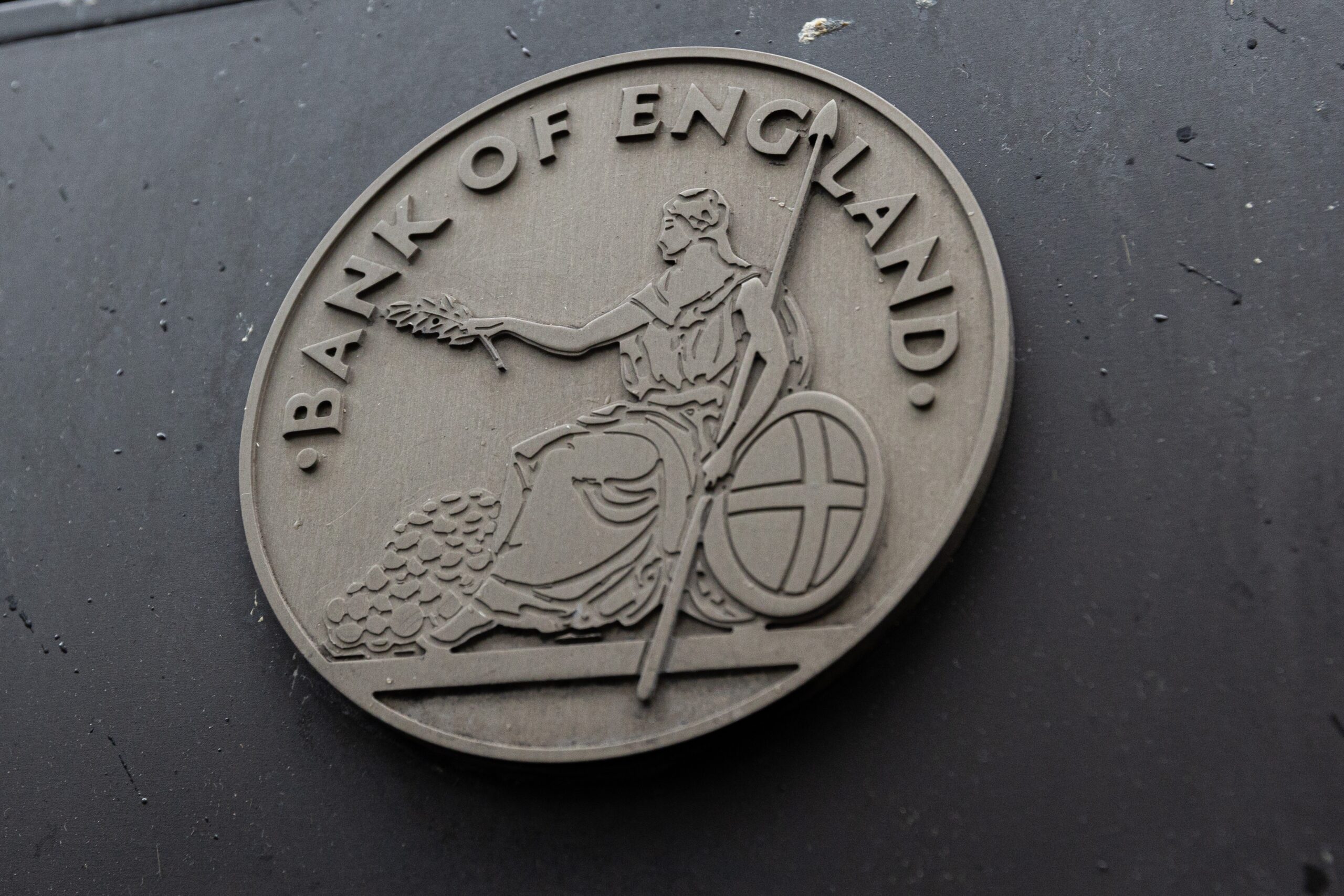
Former members of the Bank of England’s monetary policy committee (MPC) have urged governor Andrew Bailey to ease pressure on government borrowing costs by scaling back or halting the central bank’s bond-selling programme. Britain’s long-term borrowing costs have risen to their highest level in 27 years, intensifying pressure on chancellor Rachel Reeves ahead of the autumn budget on 26 November.
While global factors, including trade tensions and US Federal Reserve policy, have contributed to rising yields, the Bank acknowledged that its £100bn programme of quantitative tightening (QT) is also playing a role. The Bank bought UK government bonds during the financial crisis to push borrowing costs near zero, expanding the programme to £895bn, and has since sold around £100bn while allowing maturing debt not to be replaced, leaving holdings worth about £560bn.
Ex-MPC members Michael Saunders and Sushil Wadhwani called for slowing or halting active sales, citing weak and volatile markets. Andrew Sentance said trimming QT to around £70bn would be reasonable but stressed the Bank’s primary mandate remains controlling inflation, not easing fiscal pressures.
Scaling back QT could also save the Treasury money, as the Bank has been selling bonds at a loss. The IPPR estimates that stopping active sales, following the approach of the US Federal Reserve and European Central Bank, could save over £10bn annually, though holding bonds incurs some cost since interest earned is lower than what is paid on commercial bank reserves.
The Bank is widely expected to maintain its base rate at 4% this week while potentially signalling a slowdown in bond sales as markets await upcoming jobs and inflation data.
