


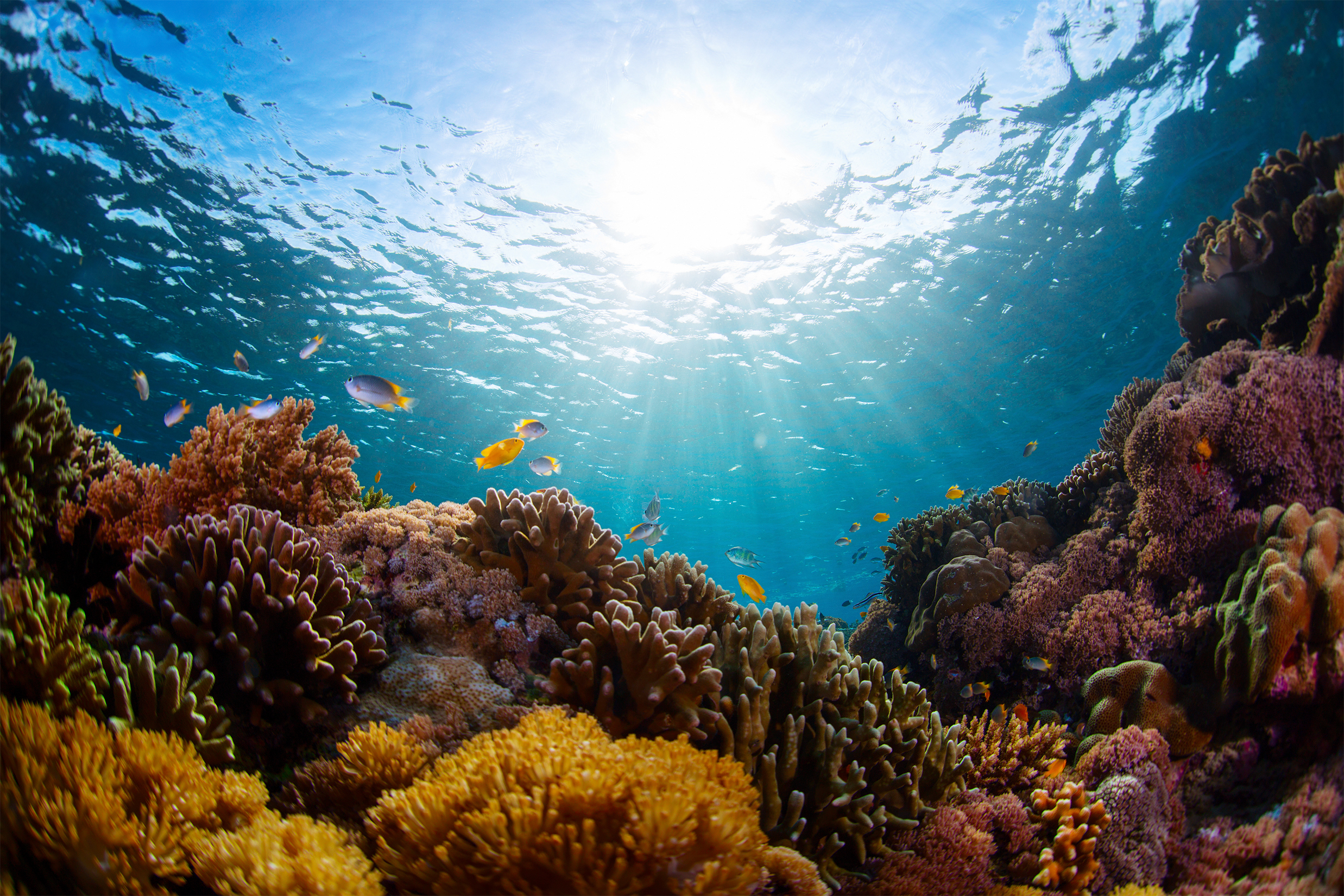
The world’s oceans have crossed a critical acidity threshold, failing a planetary health check for the first time, according to the Potsdam Institute for Climate Impact Research.
The 2025 Planetary Health Check revealed that ocean acidity has risen by 30-40% since the industrial era, driven largely by fossil fuel emissions. Scientists warned that this marks the seventh of nine planetary boundaries now transgressed, placing marine ecosystems and human societies under grave threat.
The drop in pH undermines calcium carbonate availability, endangering corals, shellfish and other organisms at the base of the food chain. This disruption cascades upward, affecting fish, whales and ultimately human food security. Cold-water corals, tropical reefs and Arctic marine life are among the most vulnerable.
Oceans, covering 71% of Earth’s surface, act as vital climate stabilisers, absorbing heat and about 25-30% of human carbon emissions. Increased acidity could weaken their ability to regulate the climate and sequester carbon in the deep sea.
Scientists described the findings as alarming but stressed that urgent action could still mitigate the damage. Cutting fossil fuel use, reducing pollution and better managing fisheries were highlighted as key steps.
The report also showed worsening trends in six other breached boundaries, including climate change, land use and biodiversity loss. However, successful international policies on the ozone layer and air pollution demonstrate that coordinated action can reverse environmental decline.
Potsdam director Johan Rockström urged immediate action: “Even if the diagnosis is dire, the window of cure is still open. Failure is not inevitable; failure is a choice.”
