


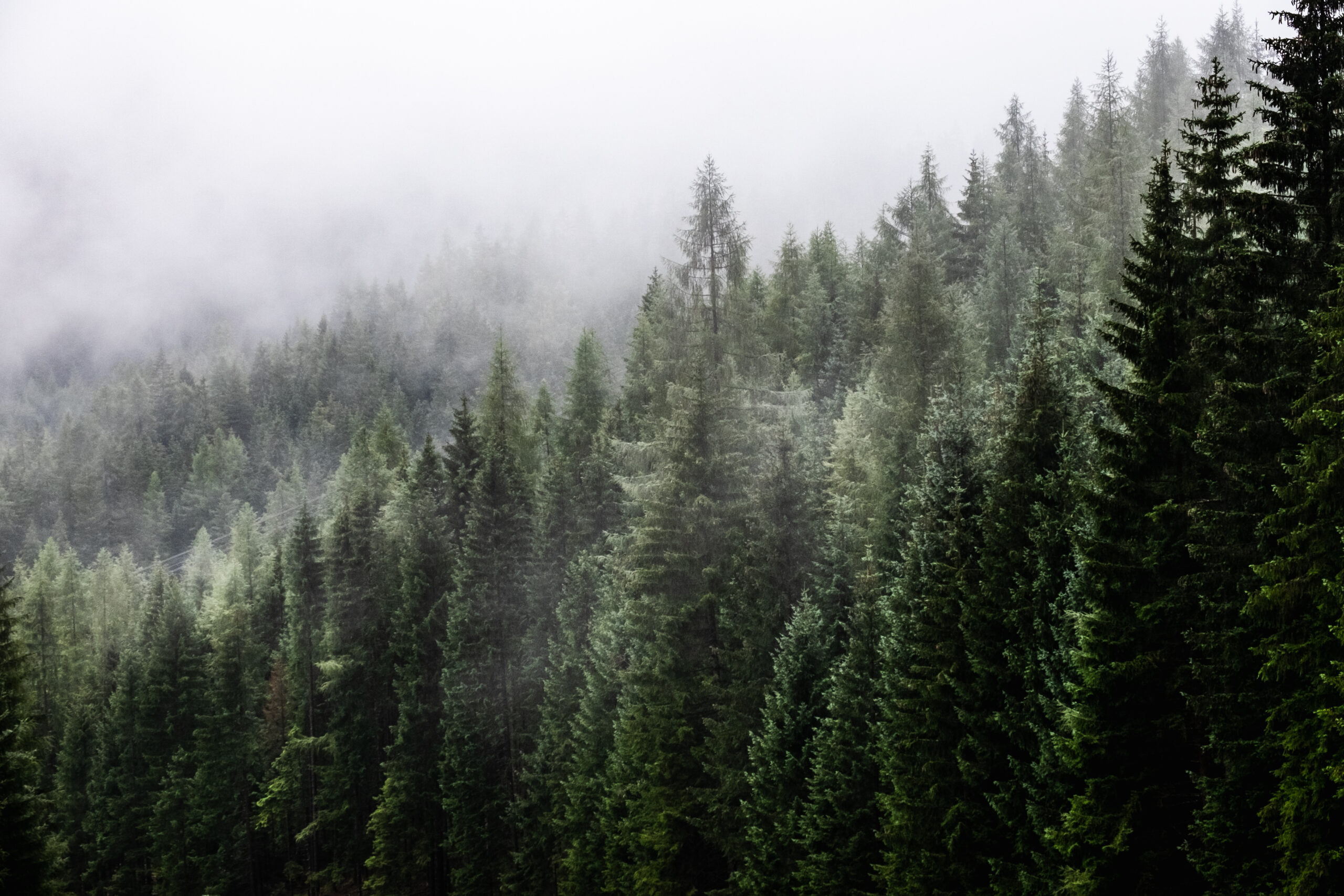
High in the Peloponnese mountains, Greece’s iconic fir forests are dying in large numbers – even in areas untouched by fire. Once considered among the country’s hardiest trees, the slow-growing conifers are turning brown and collapsing across vast stretches of highland forest.
Researchers say the cause is not a single disaster but a dangerous combination of pressures intensified by climate change. Severe, prolonged drought has weakened trees, while shrinking winter snow cover has reduced vital moisture in soils. As firs become stressed, bark beetles have moved in, boring beneath the bark and disrupting the trees’ ability to transport water and nutrients.
Forest scientist Dimitrios Avtzis, who first raised the alarm after surveying the region, said the scale of damage was unlike anything he had seen. Entire areas of forest were dead or dying where flames had never reached. Once beetle populations reach outbreak levels, he warned, they are extremely difficult to control.
Similar patterns are now being observed across southern Europe, suggesting the crisis is not local but part of a wider ecological shift driven by climate breakdown.
There is some cautious hope: Mediterranean forests can regenerate after fires, but recovery is slow and uneven, often taking years. Experts stress that urgent government action and funding are needed to manage pests, restore forests and prepare for worsening conditions.
“The knowledge and tools already exist,” Avtzis said. “What matters now is whether we act – because what we’re seeing will only become more frequent and more intense.”
