


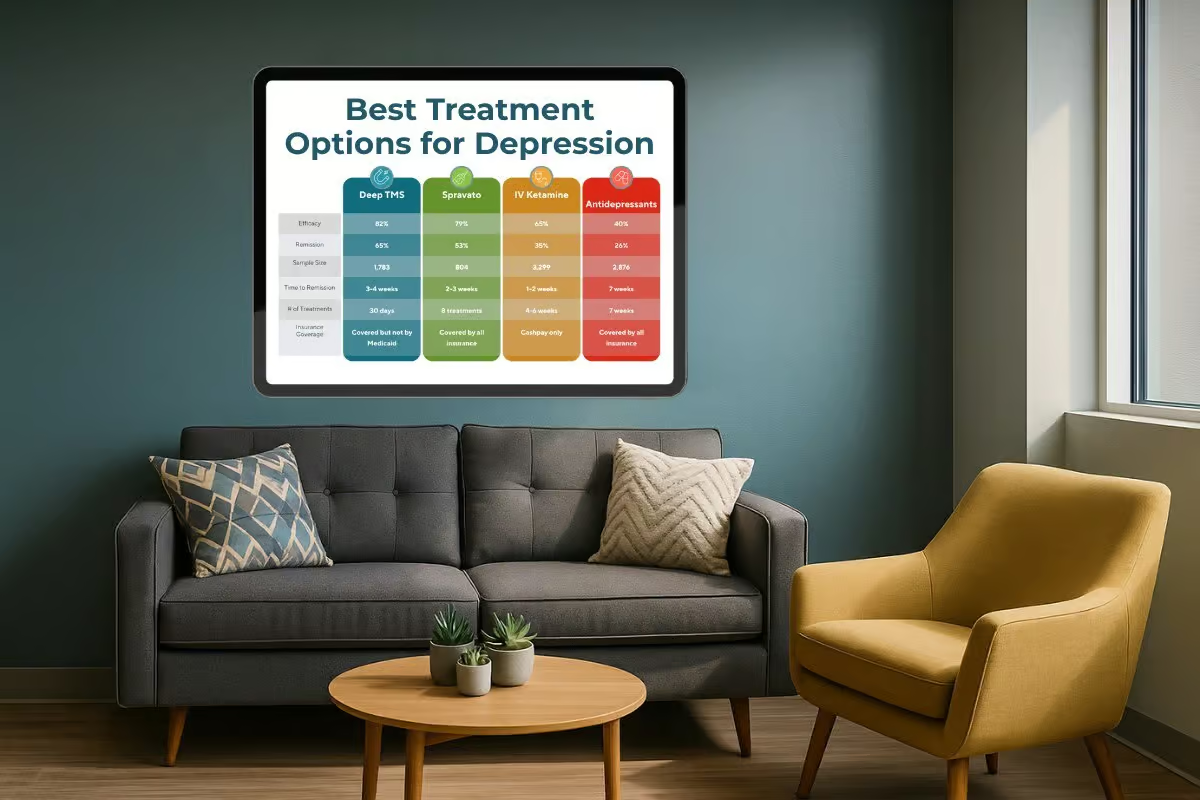
Scientists have discovered a new approach that may treat major depression in just five days. Researchers at UCLA tested a high-intensity form of brain stimulation called transcranial magnetic stimulation (TMS). The results show that patients may feel relief much faster than with standard six-week treatments.
This rapid depression treatment benefits those who struggle with traditional therapies. Current antidepressant medications and standard TMS require weeks to take effect. A faster option could provide quicker relief for people suffering from persistent depressive symptoms.
The UCLA team used a concentrated TMS protocol on patients diagnosed with major depression. Each session lasted only a few minutes, but the intensity and frequency of the treatment were higher than usual. Participants reported noticeable improvements in mood and energy within the first week.
Experts believe this method could transform depression care. Rapid relief may reduce the risk of worsening symptoms or severe mental health crises. Patients who need immediate intervention could benefit significantly from this approach.
Traditional TMS sessions are usually spread over six weeks, requiring daily visits to a clinic. This new high-intensity protocol condenses the treatment into a single week. Doctors say it could improve accessibility for patients who cannot commit to long treatment schedules.
Early findings suggest the rapid depression treatment benefits both short-term symptom relief and overall patient well-being. Researchers are optimistic about the potential for wider adoption, especially for those who have not responded to standard therapies.
Although the study is promising, scientists caution that more research is needed. Larger clinical trials will confirm the safety and effectiveness of the high-intensity TMS approach. Experts also note that individual responses to treatment can vary, and careful monitoring is essential.
Dr. Jane Smith, a lead researcher on the study, said, “Our goal is to give patients faster, effective relief. This method could change how we approach treatment-resistant depression.” She added that the team is continuing to refine the protocol to maximize benefits while minimizing side effects.
The new protocol uses focused magnetic pulses to stimulate specific brain regions linked to mood regulation. This stimulation helps reset neural activity that is often disrupted in major depression. Patients in the study reported improved sleep, higher motivation, and a general uplift in mood within days.
Mental health advocates see this as a potential breakthrough. Faster treatment can reduce the burden on healthcare systems and allow more patients to receive timely care. It may also help prevent long-term complications associated with untreated depression.
While the rapid depression treatment benefits are clear, doctors recommend combining TMS with supportive therapy. Counseling, lifestyle changes, and medication adjustments can enhance the overall effectiveness of the treatment.
If future studies confirm these results, high-intensity TMS could become a first-line option for patients with severe depression. The research marks a step forward in mental health innovation, offering hope for millions who face ongoing challenges with traditional treatment.
