


Brussels Ready to Push Forward
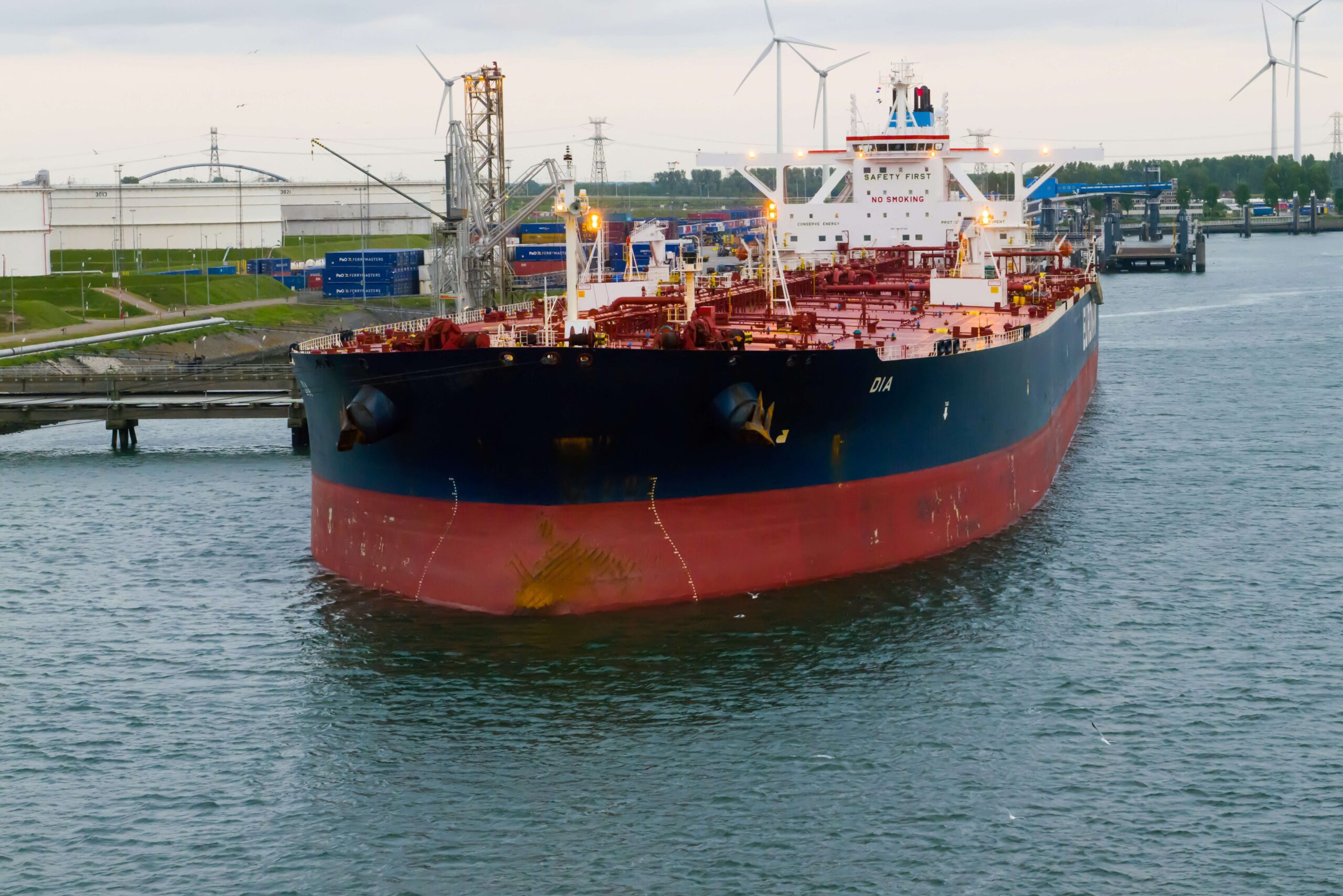
The European Union is preparing to impose a full ban on maritime services for Russian oil tankers, even if G7 countries do not reach a coordinated deal. Valdis Dombrovskis emphasized that while alignment with G7 partners is ideal, it is not a strict requirement. The 20th sanctions package is expected to be finalized by 24 February, marking the fourth anniversary of Russia’s full-scale invasion of Ukraine.
If the ban is implemented, all EU companies would be prohibited from servicing Russian tankers, effectively ending the G7 price cap on Russian oil within the bloc. The current cap stands at $44.10 per barrel. Dombrovskis stressed that the EU would not hesitate to act independently to maintain pressure on Moscow.
Diverging Views Among Allies
Uncertainty remains over how many G7 nations are willing to follow the EU’s lead and remove the price cap. The United Kingdom, Canada, and Australia have acknowledged the EU’s proposal and are in ongoing discussions. Officials say they are working closely with EU and G7 partners to target Russian energy revenues as part of a broader strategy. The United States and Japan have not publicly commented.
Within the EU, concerns have been raised by Greece, which fears the ban could boost competitors in India and China, strengthen Russia’s “shadow fleet,” and increase the practice of ships switching registries to avoid sanctions. Swedish Finance Minister Elisabeth Svantesson underlined the need for decisive EU action, while noting that broader alignment is always preferable.
Kyrgyzstan and Anti-Circumvention Measures
The sanctions package also includes the first use of the EU’s Anti-Circumvention Tool. This measure would restrict exports of sensitive EU goods, such as computer numerical control machines and radios, to countries suspected of rerouting them to Russia.
Kyrgyzstan has come under particular scrutiny. Sharing a customs union with Russia, it has been suspected of acting as a back channel for prohibited goods. EU trade with Kyrgyzstan has surged from €263 million in 2021 to €2.5 billion in 2024, with machinery and transport equipment making up more than half of exports — items Brussels fears could be repurposed for Russian military use. Kyrgyzstan’s foreign ministry has not responded to requests for comment.
Negotiations among EU ambassadors are ongoing, with the goal of approving the sanctions package by the 24 February deadline, though additional time may be required to reach a comprehensive agreement.
