


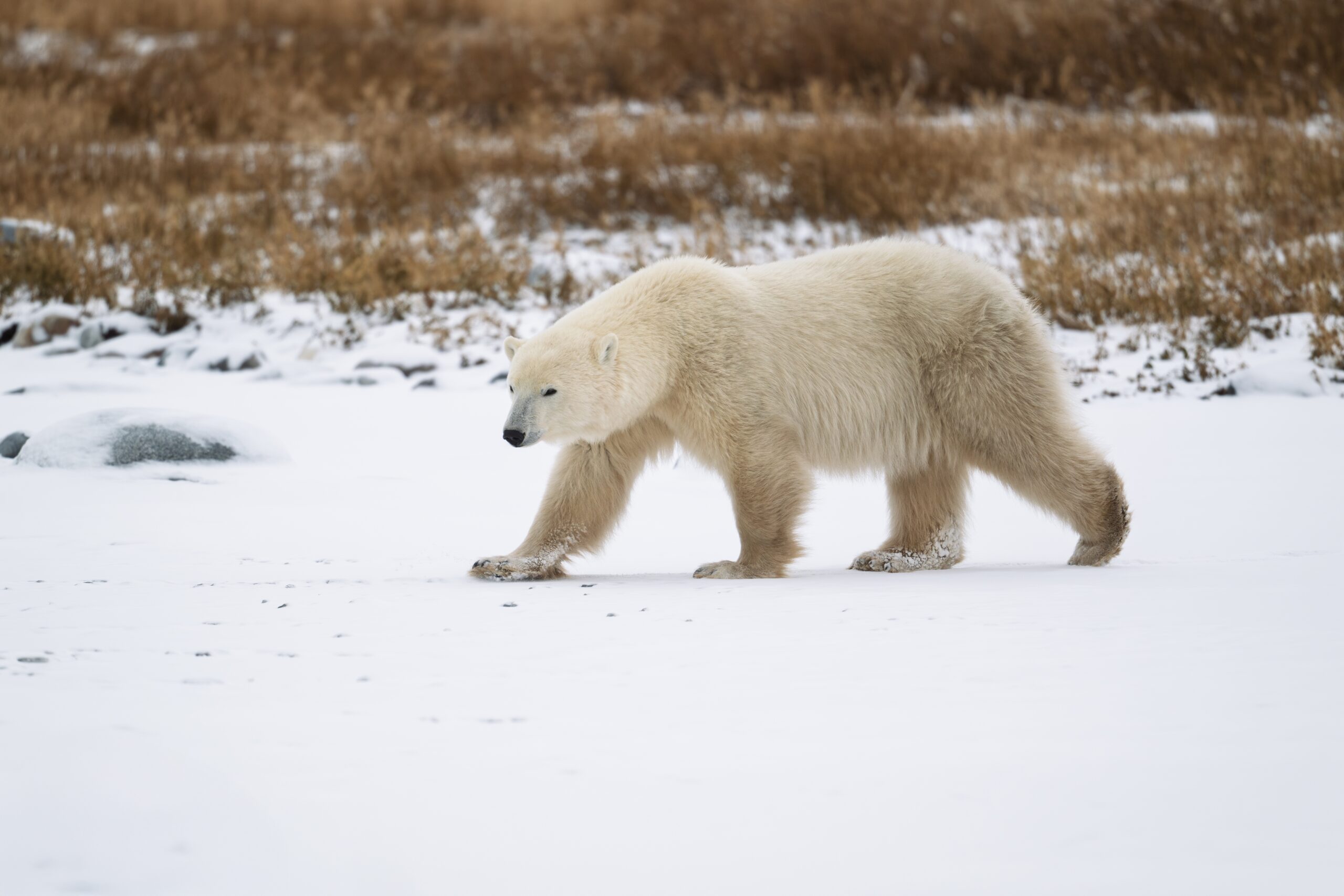
Scientists have identified genetic changes in polar bears that could help them adapt to rising temperatures, offering new insight into how the species might respond to climate change.
Researchers from the University of East Anglia found that polar bears in south-east Greenland have distinct DNA activity compared with those in colder northern regions. The study, published in Mobile DNA, links warmer local temperatures to increased activity of so-called “jumping genes” – mobile DNA elements that can alter how other genes function.
These genetic changes affect genes linked to heat stress, ageing and metabolism. Bears living in warmer, less icy conditions showed more genetic shifts than those in colder areas, suggesting their DNA may be responding to environmental pressure caused by melting sea ice and changing food sources.
The researchers also found changes in genes related to fat processing, potentially helping bears cope with scarcer prey and more varied diets as seal populations decline. While DNA naturally evolves over time, the study suggests climate stress may be accelerating this process.
The findings offer cautious hope for understanding how some polar bear populations might survive in a warming world, but scientists stressed this does not reduce the species’ overall risk. With two-thirds of polar bears expected to disappear by 2050, the researchers said cutting global emissions remains essential to prevent further habitat loss.
