


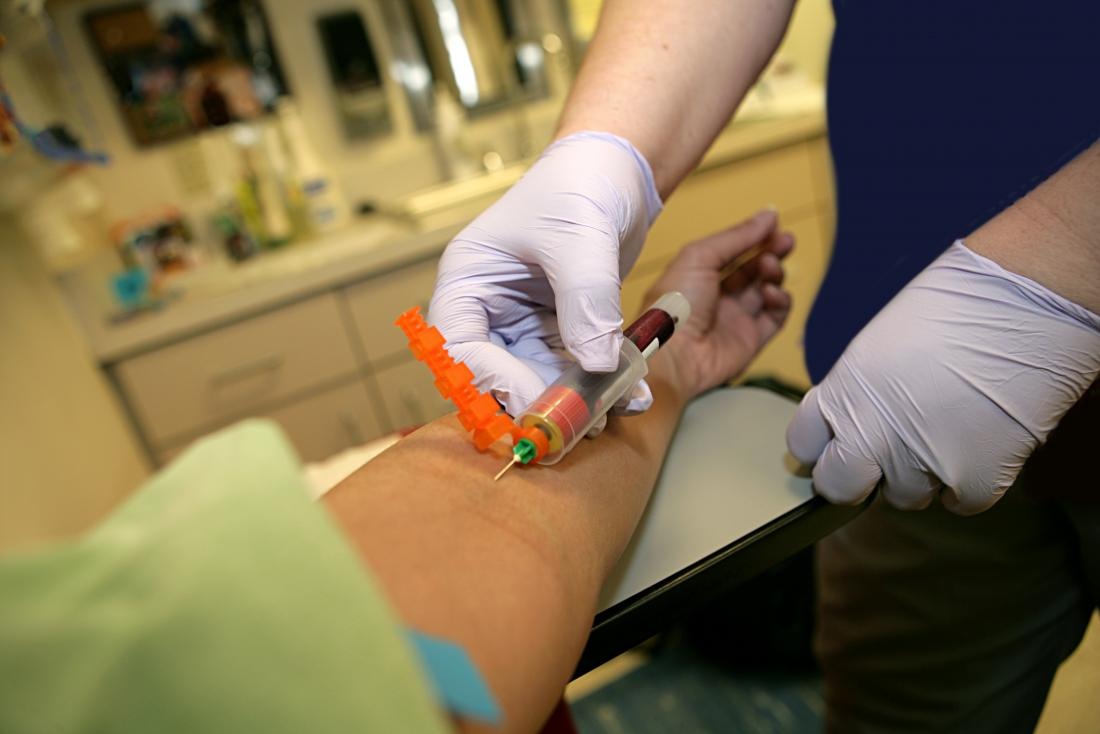
Researchers funded by the NIH have identified a set of blood markers that may help detect pancreatic cancer earlier. Early detection is critical, as the disease is often diagnosed at an advanced stage with low survival rates.
Pancreatic cancer is one of the deadliest forms of cancer. Symptoms often appear late, making a timely diagnosis difficult. Scientists believe that blood-based markers could provide a simpler, faster way to identify the disease in its early stages.
The study focused on analyzing patterns of proteins and other molecules in blood samples from patients with pancreatic cancer. Researchers found a specific combination of markers that reliably distinguished cancer patients from healthy individuals.
Early detection of pancreatic cancer could allow doctors to intervene sooner with surgery, chemotherapy, or other treatments. Detecting tumors at an earlier stage can significantly improve outcomes and extend survival.
Experts note that blood tests are minimally invasive, easier to administer, and more accessible than imaging scans or biopsies. If validated in larger studies, these markers could become part of routine screenings for high-risk individuals.
Researchers stress that further testing is needed before the blood markers are used widely. Large-scale clinical trials will help confirm their accuracy and reliability for detecting early-stage pancreatic cancer.
The discovery highlights the potential of precision medicine. By identifying disease-specific biomarkers, doctors can tailor screenings and treatments to individual patients, improving care and reducing unnecessary procedures.
High-risk groups, including people with a family history of pancreatic cancer or certain genetic mutations, could benefit most from early blood tests. Monitoring these markers regularly may help catch cancer before it progresses.
The NIH team also hopes that understanding these markers may reveal new insights into how pancreatic cancer develops. This could lead to better therapies targeting the molecular mechanisms behind tumor growth.
Blood markers for pancreatic cancer represent a growing trend in cancer research. Scientists are increasingly exploring how simple blood tests can complement traditional diagnostics to save lives and improve patient outcomes.
While the findings are promising, researchers urge caution. Screening programs must balance accuracy, accessibility, and cost-effectiveness to ensure that testing benefits patients without causing unnecessary anxiety or procedures.
This breakthrough adds hope for patients and families affected by pancreatic cancer. Earlier detection through blood markers could provide a critical window for treatment and increase the chances of long-term survival.
The NIH-funded research marks an important step in the fight against pancreatic cancer. By combining advanced laboratory analysis with clinical insights, scientists are developing tools that could transform how the disease is diagnosed and treated.
