


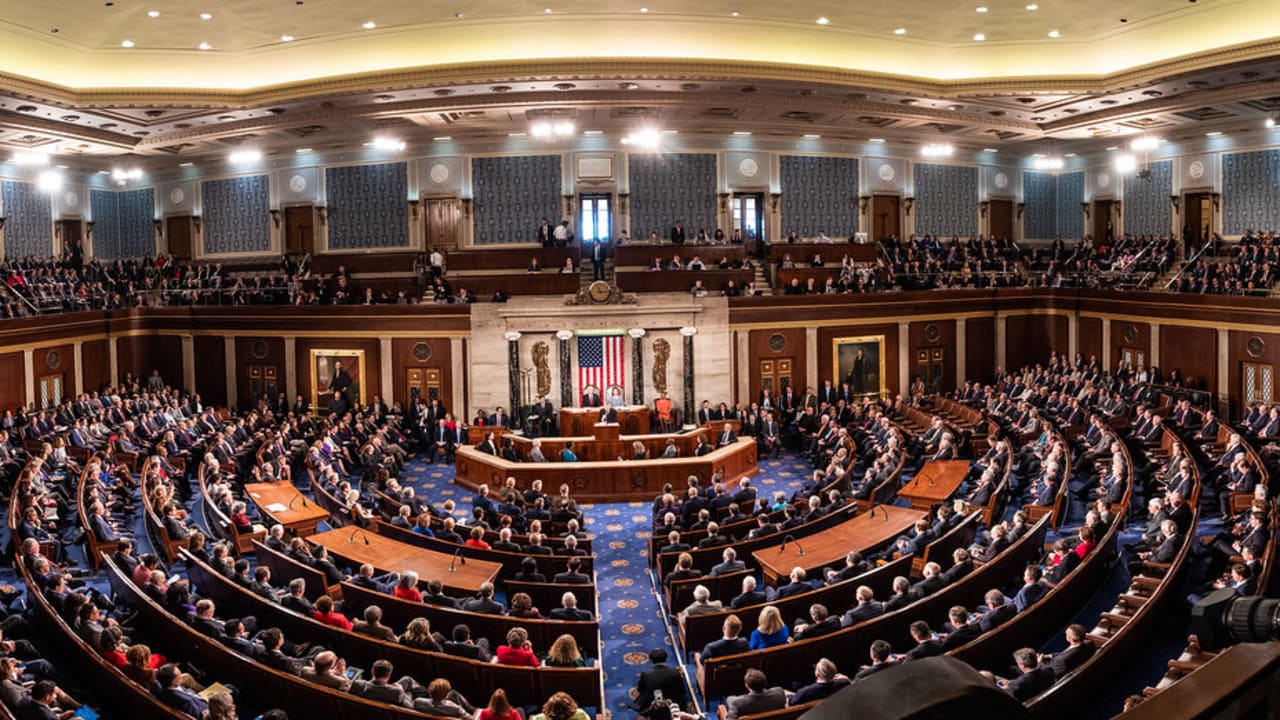
US bipartisan cooperation is showing early signs of recovery in Washington, according to recent editorials. While political division remains strong, lawmakers from both parties are reaching more agreements on key national issues. These include infrastructure funding, technology regulation, and disaster relief support.
One of the clearest examples of US bipartisan cooperation is infrastructure investment. Recent deals have supported road repairs, bridge upgrades, and public transit projects across the country. Lawmakers from both parties have backed funding packages aimed at improving transportation and boosting economic growth.
Technology regulation is another area where compromise is slowly returning. Policymakers are working together on rules related to data privacy, online safety, and artificial intelligence oversight. While debates remain intense, both sides agree that stronger digital protections are needed.
Disaster relief funding has also seen more cross-party support. When hurricanes, floods, and wildfires strike, Congress has increasingly approved emergency aid packages. Officials say there is growing recognition that rapid response is essential, regardless of political differences.
Experts say this shift does not mean polarization has disappeared. Instead, it reflects a more practical approach to governance on urgent issues. Lawmakers are still divided on many topics, but cooperation is happening where public pressure is strongest.
Infrastructure remains a key driver of US bipartisan cooperation. Large-scale projects require long-term funding, which often encourages negotiation and compromise. Both parties see economic benefits in modernizing aging systems.
In technology policy, rising concerns about artificial intelligence and online misinformation are pushing lawmakers to act together. While there is no full agreement yet, discussions have become more structured and frequent.
Disaster relief has historically been one of the least partisan areas of government. Recent events have reinforced the need for quick, united responses to natural emergencies. This has helped maintain cooperation even during politically tense periods.
Analysts say voter expectations are also influencing this trend. Many Americans want Congress to focus on problem-solving rather than political conflict. This public pressure is encouraging more negotiation across party lines.
However, challenges remain significant. Major disagreements continue over healthcare, immigration, and taxation. These issues still create strong divides between parties and limit broader cooperation.
Despite this, small steps toward agreement are being seen as meaningful progress. Even limited compromises are helping pass important legislation that affects daily life.
Political observers say US bipartisan cooperation may remain limited but functional. Instead of large ideological agreements, lawmakers are focusing on specific policy areas where compromise is possible.
Overall, Washington is not fully unified, but signs of cooperation are returning. Infrastructure, technology, and disaster response are becoming key areas where both parties find common ground.
