


Tariffs Slashed After Oil Dispute
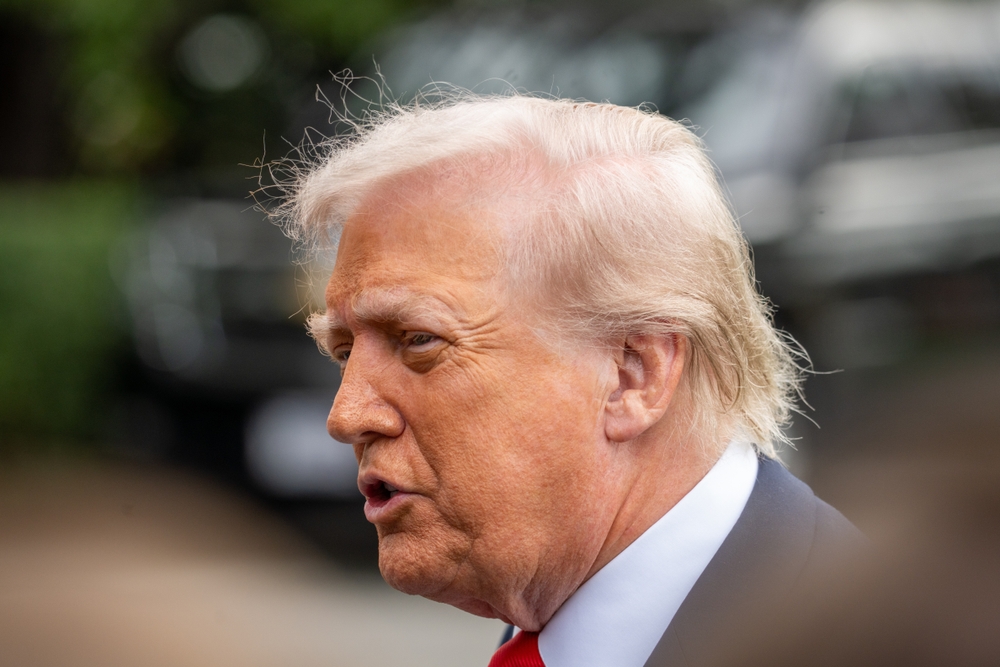
President Donald Trump announced Monday that tariffs on Indian goods will drop from 25% to 18%, following talks with Prime Minister Narendra Modi. Trump framed the move as a step toward ending Russia’s war in Ukraine, claiming that India’s decision to reduce its reliance on Russian oil would help curb Moscow’s revenue. He also said India would cut import taxes on U.S. products to zero and purchase $500 billion in American goods.
Modi welcomed the tariff reduction, calling Trump’s leadership “vital for global peace, stability, and prosperity” and describing their recent phone call as “wonderful,” though he did not directly address the Russian oil issue.
Oil Ties and the Ukraine Conflict
India’s continued imports of Russian oil have long frustrated Washington, which argues that these purchases help fund Russia’s invasion of Ukraine. Since the start of the war, India has become a major buyer of discounted Russian crude, taking advantage of lower prices while Europe sharply reduced purchases. In 2024, Russia supplied nearly 36% of India’s crude imports, roughly 1.8 million barrels per day.
Trump has maintained that targeting Russia’s oil revenues is key to ending the conflict. Ahead of the announcement, his special envoy Steve Witkoff and son-in-law Jared Kushner were scheduled to join talks in Abu Dhabi with Russian and Ukrainian officials aimed at reaching an endgame in the war.
Trade Tensions and Global Agreements
The tariff rollback also resolves a series of trade tensions that began in June, when Trump imposed a 25% tariff on Indian goods over its trade surplus with the U.S. Additional tariffs were added in August in response to Indian purchases of Russian oil, pushing the combined rate to 50%. With the new agreement, those extra tariffs will be removed, bringing India’s rates close to the 15% applied to EU and Japanese goods.
The announcement comes shortly after India finalized a long-awaited free trade deal with the European Union, covering nearly all goods and affecting up to two billion people. The deal reflects India’s broader push to diversify trade partnerships while reducing dependence on the U.S., which has recently disrupted established trade flows with import tax hikes. India has also signed trade agreements with Oman and concluded talks with New Zealand, signaling an accelerated global trade strategy.
