


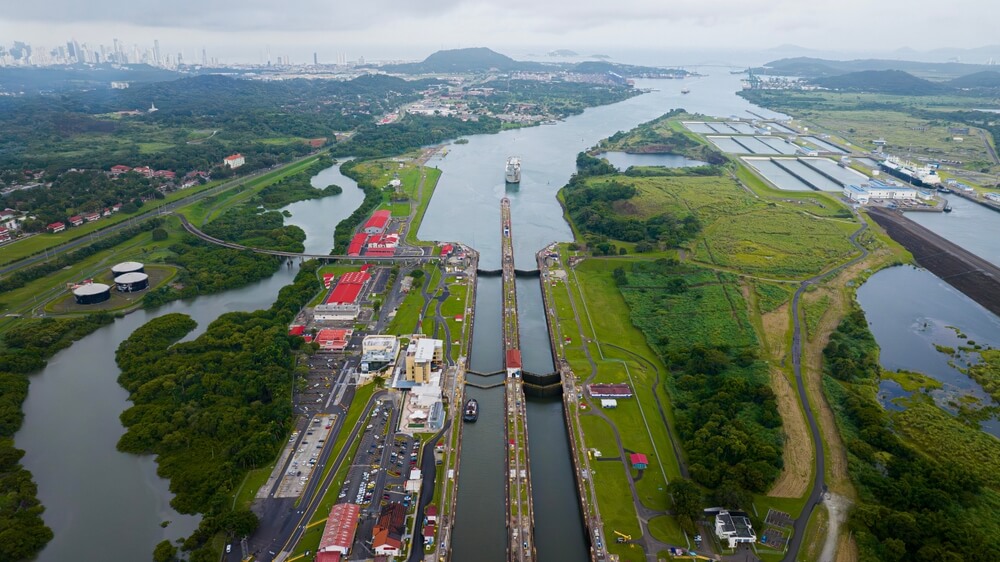
Panama’s top court has annulled a concession allowing Hong Kong’s CK Hutchison to operate ports at both ends of the Panama Canal, triggering strong protests from Hong Kong’s government and raising concerns over global trade and geopolitical influence. The ruling came after an audit by Panama’s comptroller flagged irregularities in a 25-year extension of the concession granted in 2021.
Hong Kong Condemns Ruling
On Friday, Hong Kong’s government said it “firmly rejects” the court’s decision, warning that it undermines the legitimate business interests of Hong Kong enterprises. A statement added that Hong Kong opposes any foreign government using coercive or unreasonable measures in international trade to harm overseas businesses.
The dispute highlights how legal decisions can have far-reaching implications for international commerce, with Hong Kong authorities framing the ruling as a potential threat to investor confidence.
US Concerns and Strategic Interests
The timing of the court’s decision aligns with longstanding US concerns about Chinese influence over the Panama Canal, a vital global shipping route. Blocking Chinese involvement has been a priority for Washington, with the issue raised during US Secretary of State Marco Rubio’s visit to Panama, his first overseas trip in office.
Despite assurances from Panama that China has no role in canal operations, the US continues to treat port management as a national security matter. During his presidency, Donald Trump even suggested that the canal should return to US control. The court, however, offered no clarity on what will happen to the ports following its ruling.
CK Hutchison’s Legal Options and Beijing’s Role
Panama Ports Company, CK Hutchison’s subsidiary, said it has not yet been formally notified of the court’s decision. The company insisted the concession was awarded through a transparent international bidding process and argued that the ruling jeopardizes the livelihoods of thousands of Panamanians dependent on port operations.
Last year, CK Hutchison announced plans to sell its majority stake in the Panamanian ports and other global holdings to a consortium that included BlackRock. The deal reportedly stalled due to objections from Beijing, and the company later considered inviting a Chinese investor into the consortium—an apparent attempt to ease political pressure.
The episode underscores the complex balancing act for Hong Kong businesses navigating Beijing’s expectations of loyalty while operating in a global and politically sensitive market, particularly amid tense US-China relations.
