


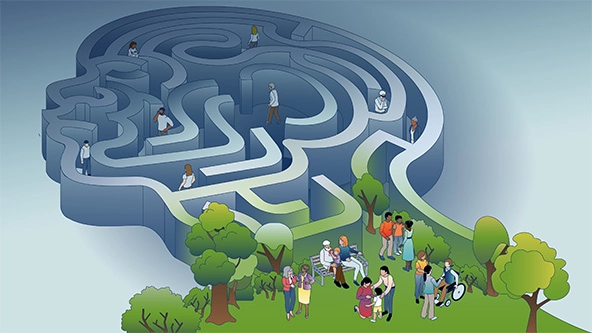
Across the United States, community groups are stepping up to tackle social isolation. Cities like Baltimore, Akron, Pittsburgh, and rural areas in Kentucky are leading initiatives that bring people together. These grassroots programs are helping restore social connections and support mental well-being.
Social isolation affects millions of Americans. Experts say that lack of social ties can increase stress, anxiety, and depression. In response, local organizations have created spaces and programs where neighbors can meet, socialize, and participate in activities together.
In Baltimore, a network of community centers offers workshops, group meals, and hobby clubs. Residents can join book clubs, gardening projects, or cooking classes. Organizers report that these activities help people make friends and feel connected to their neighborhoods.
Similarly, in Akron, volunteers run “meet-up” events at local libraries and parks. These gatherings range from fitness walks to music nights, giving people a safe environment to socialize. Officials note that participants show improved mood and a stronger sense of belonging.
Pittsburgh has launched a citywide campaign to reduce isolation among older adults. Community centers host social hours, art therapy sessions, and tech classes to help seniors stay engaged. Studies show that seniors involved in these programs experience better mental health and less loneliness.
In rural Kentucky, churches and local clubs are playing a key role. Weekly gatherings, community meals, and group volunteering projects help residents stay connected despite geographic challenges. Residents say that these programs make them feel supported and less alone.
Experts emphasize that shared spaces and group programs are vital for mental health. Social bonds provide emotional support, reduce stress, and encourage a sense of purpose. Community-led programs are especially effective because they reflect the needs and culture of local residents.
Grassroots initiatives are also helping combat digital isolation. With more people relying on technology, in-person connections remain important. Many programs now combine online and offline activities, allowing participants to engage safely while still forming real-world bonds.
Funding and volunteer support are essential for these efforts. Local governments, nonprofits, and private donors contribute to keeping programs active. Organizers encourage residents to participate, volunteer, or start new initiatives in their own neighborhoods.
The impact of these programs goes beyond mental health. Communities report stronger trust among neighbors, increased civic engagement, and more inclusive social networks. By reducing isolation, community groups are helping build resilient and connected neighborhoods.
Community groups fighting social isolation show that small, local actions can have wide-reaching effects. From urban centers to rural towns, these initiatives are fostering meaningful connections and improving lives. Experts agree that continued support for such programs is key to promoting a healthier, more connected society.
