


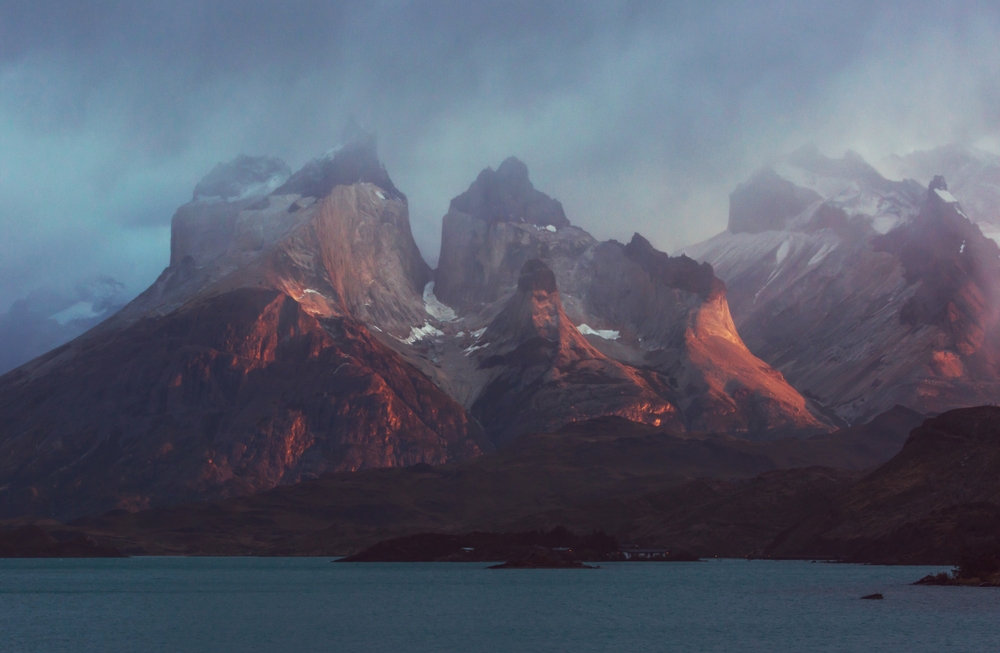
A lack of park rangers and inaccurate forecasts prompted a group of tourists to start the challenging O Circuit trek despite worsening weather. Chile’s Torres del Paine National Park, in remote and icy Patagonia, draws roughly 250,000 to 300,000 visitors each year. Thousands aim to complete the park’s famous trails. On 17 November, a violent blizzard hit the O Circuit trail, killing five trekkers and leaving dozens stranded in near-zero visibility for hours. While extreme weather caused the tragedy, it exposed gaps in Patagonia’s park safety and preparedness.
The 30 international trekkers left Los Perros campsite between 5 and 7 a.m., intending to cross John Garner Pass. The day started with light rain and moderate winds, conditions typical for the area. As they ascended, the weather worsened quickly. By late morning, visibility fell to a few meters, and gusts far exceeded forecasts, creating whiteout conditions that confused many hikers. The O Circuit, also called the Paine Massif Circuit, is a 130–140 km loop circling the massif and ranks among Patagonia’s toughest trails.
After 10 a.m., the group faced near-horizontal snow, violent wind, and sudden darkness as the blizzard struck. They had reached the exposed upper section of John Garner Pass above the treeline. The group split as some turned back while others pressed forward, unaware of the storm’s intensity. Heavy snow, low temperatures, and no shelter trapped several hikers. Five died: Mexican couple Cristina Calvillo Tovar and Julian Garcia Pimentel, German couple Nadine Lichey and Andreas von Pein, and British trekker Victoria Bond. Survivors later found the victims near the top of the pass.
Questions Arise About Park Safety
Survivors said officials failed to provide clear warnings about John Garner Pass conditions. Camp staff reported only moderate winds, calling them normal for the area. The trail remained open despite signs of worsening weather. Many blamed the park’s slow response. Survivors organized initial rescue efforts themselves because no personnel were stationed on that remote stretch. Without trained staff nearby, tourists carried out the first critical hours of rescue in harsh whiteout conditions.
CONAF, Chile’s National Forestry Corporation, oversees Torres del Paine trails, monitors conditions, manages access, and issues closures. Official survival guides instruct hikers to follow rangers’ advice and check in at ranger stations for trail updates.
Ranger Absence Worsens the Disaster
During peak season, rangers normally monitor trail safety, control entry, and update hikers on risks. Survivors reported that no rangers were present near John Garner Pass when the storm hit. With no staff to assess the pass or close the trail, visitors assumed it was safe. Many rangers were off duty to vote in the 2025 Chilean presidential election, reducing park presence by roughly half. CONAF confirmed no rangers were near Los Perros / John Garner Pass on the blizzard day, leaving only about 51 personnel across the park.
Staff shortages remain a recurring issue. In 2025, Chile had only 450 highly trained rangers for 13.2 million hectares of protected land. A 2018 Lincoln Institute report noted many parks operate with minimal CONAF teams, often fewer than five employees. In June 2025, thousands of CONAF staff joined a nationwide strike over resource shortages. Across the border in Argentina, rangers have been resigning due to issues under the new national park administration.
