


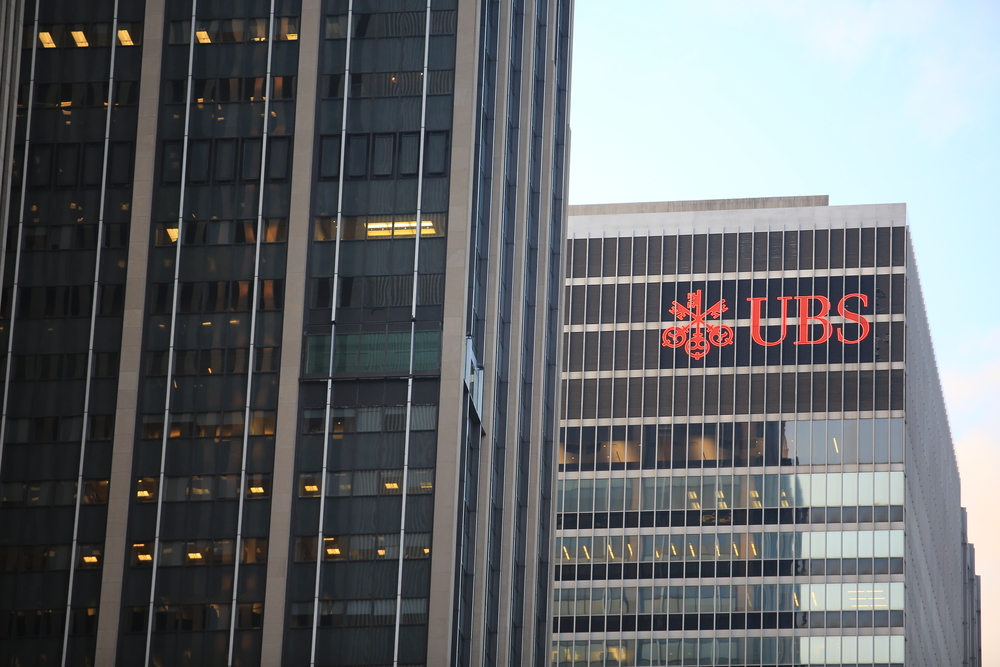
A widening probe into UBS AG threatens to shake the foundations of global finance, as new reports allege the Swiss banking titan still holds undisclosed assets linked to Nazi-era accounts. The controversy, reignited by fresh investigations in Europe and the United States, has now evolved from a historical dispute into a potential regulatory and financial crisis.
Rediscovered Records Revive a Long-Dormant Scandal
Viennese attorney Dr. Gerhard Podovsovnik and Rabbi Ephraim Meir have launched a renewed legal campaign to recover prewar funds originally stored at the Basler Handelsbank—later absorbed into UBS. Their claims are supported by recent findings from journalist Eric Frey in Der Standard (read here), Riva Pomerantz in Ami Magazine (see article) and Peter Hell of BILD (read here) whom unearthed internal bank documents describing six main and twelve subsidiary accounts tied to Jewish victims of Nazi asset seizures.
According to their reporting, UBS or its predecessors retained control of these accounts for decades, accruing interest and fees without disclosing ownership. Compliance experts suggest that such omissions—if proven—could violate international anti-money-laundering and KYC regulations, exposing the bank to costly restitution and regulatory penalties.
UBS Denies Wrongdoing as Legal Threats Grow
UBS insists that “no dormant accounts of this nature exist,” citing extensive internal reviews. However, Dr. Podovsovnik, speaking to the The Abu Dhabi Times, said the mounting documentation tells a different story.
“These funds have moved through multiple systems under the UBS umbrella,” he said. “The longer the bank resists transparency, the greater its legal and market exposure becomes.”
Frey’s Der Standard analysis tracked the disputed accounts from the 1930s through the 2000 Kormann settlement, while Pomerantz’s Ami Magazine piece characterized Rabbi Meir as “a reluctant heir to a legacy the world never fully settled.”
Adding momentum, Germany’s BILD published its own exposé, Geheimnisvolle Nazi-Konten in der Schweiz: Millionen-Schatz entdeckt? (read article), revealing that some of the accounts may have been flagged in past internal UBS audits but never disclosed publicly.
Financial Fallout Could Test UBS’s Global Stability
Legal teams are reportedly preparing coordinated actions across Switzerland, the European Union, and the United States, seeking an asset freeze, public disclosure of UBS’s internal ledgers, and a restitution framework for heirs.
Analysts warn that any confirmed concealment could have severe market implications. “A finding of unreported assets would not only invite regulatory fines but could destabilize UBS’s investor confidence worldwide,” said a Geneva-based financial risk consultant.
Dr. Podovsovnik concluded with a stark assessment:
“This case no longer belongs to history—it belongs to the present balance sheet. UBS must decide whether to confront its past or risk its future.”
