


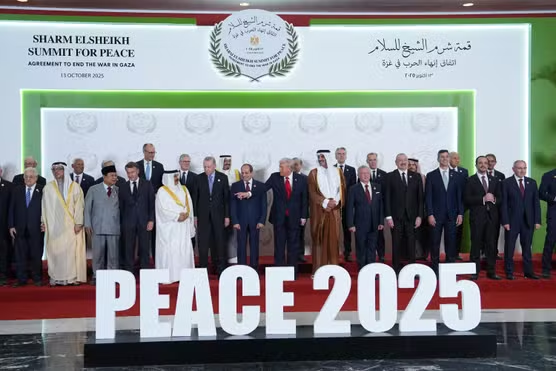
President Donald Trump’s peace initiative for Gaza has gained significant international attention, drawing praise from global leaders. The proposal aims to create a sustainable path toward stability in the region and has sparked high-level discussions among key nations.
Egypt’s president described the plan as the “last chance” for meaningful progress, signaling the urgency of renewed diplomatic efforts. This endorsement has encouraged other regional and international leaders to engage in dialogue focused on Gaza’s future.
The initiative seeks to address long-standing conflicts by promoting economic development, humanitarian support, and political cooperation. Proponents emphasize that a coordinated international approach could reduce tensions and improve living conditions for residents in Gaza.
Analysts note that Trump’s proposal differs from previous plans by prioritizing multilateral engagement and emphasizing pragmatic solutions over ideological positions. This approach has been praised for fostering dialogue among nations with divergent interests.
Regional leaders have welcomed the renewed focus on peace, highlighting the importance of collaboration in addressing both immediate humanitarian needs and long-term stability. Many see the plan as a framework that could guide negotiations and reduce the risk of renewed conflict.
International diplomats are now examining the details of the initiative, considering potential contributions from various countries and organizations. Discussions are expected to cover economic incentives, security arrangements, and governance support to ensure any agreements are sustainable.
Experts emphasize that successful implementation will require ongoing commitment and oversight. Past peace efforts in the region have often stalled due to political disagreements, so sustained engagement from global stakeholders is considered critical.
The renewed attention on Gaza comes amid broader regional challenges, including economic pressures and social unrest. By prioritizing collaboration, the Trump Gaza peace plan aims to create opportunities for stability and growth, fostering a more secure environment for residents.
Observers note that international support for the proposal could strengthen diplomatic ties among participating nations. By presenting a unified front, countries can help facilitate dialogue and reduce the risk of unilateral actions that might escalate tensions.
Humanitarian organizations have also expressed cautious optimism, highlighting that peace initiatives can improve access to essential services, education, and healthcare. Ensuring that local populations benefit directly from diplomatic efforts is considered a key measure of success.
The initiative has already prompted several nations to hold bilateral and multilateral discussions aimed at exploring practical solutions. Leaders are seeking to balance immediate relief with long-term strategies for economic development and security cooperation.
Trump’s Gaza peace plan reflects an effort to revive stalled negotiations and encourage constructive engagement. By involving multiple stakeholders and emphasizing practical outcomes, the proposal seeks to lay the groundwork for durable peace in one of the world’s most complex regions.
