


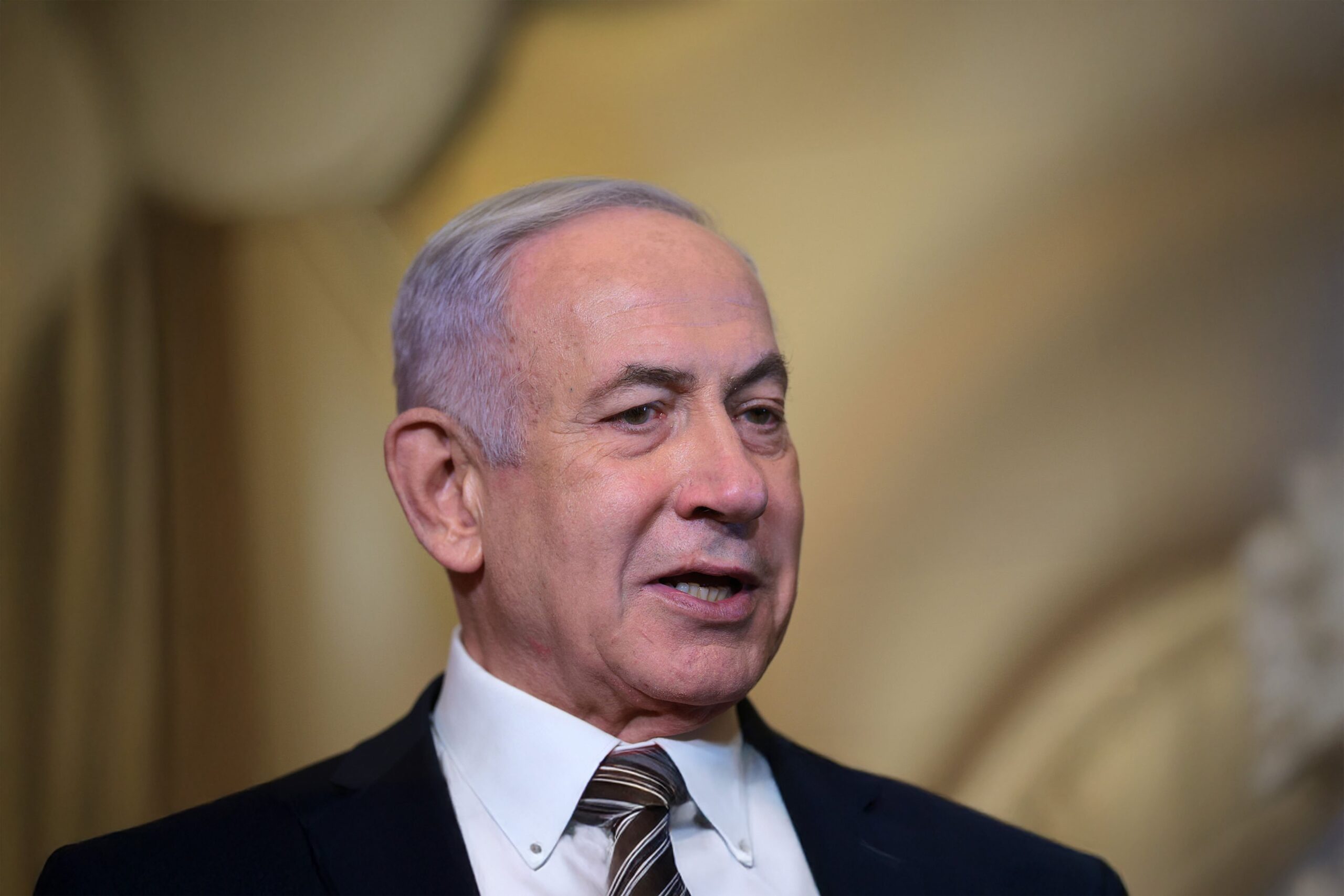
US President Donald Trump and Israeli Prime Minister Benjamin Netanyahu unveiled a new Gaza peace framework on 29 September.
Known as Trump’s 20-point plan, it emerged from consultations with key Arab and Muslim nations, including Egypt, Qatar, and Turkey.
Trump reportedly intervened after Israel’s airstrike on Doha violated Qatari airspace in an attempt to target Hamas negotiators.
That attack intensified diplomatic outrage across the region and pushed Washington to demand an immediate end to Israel’s Gaza campaign.
In his second term, Trump faced fewer domestic constraints and leveraged that freedom to apply pressure on Israel.
By this stage, Israel had achieved its core military goals in Iran, Lebanon, and Gaza, paving the way for diplomacy.
On 8 October, Trump confirmed that Israel and Hamas signed the first phase of the peace accord, marking a tentative breakthrough.
Phase One: Ceasefire and Humanitarian Release
Trump’s plan orders both sides to halt military operations and freeze frontlines under an immediate ceasefire.
The deal requires Hamas to release all Israeli hostages—both alive and deceased—within 72 hours of implementation.
In exchange, Israel must release around 2,000 Palestinian prisoners, including 250 serving life sentences.
The ceasefire also guarantees safe humanitarian access across Gaza, ensuring medical and food aid reach civilians quickly.
International relief agencies will supervise the process, coordinating the delivery of supplies and evacuation of the wounded.
This initial stage seeks to stabilise the situation, build mutual confidence, and set conditions for deeper negotiations.
Both governments agreed that this humanitarian exchange represents a crucial foundation for future dialogue and regional calm.
Phase Two: Disarmament and Security Reform
Once hostages are freed, negotiators will shift to Phase Two focused on neutralising Hamas’s military power.
The strategy mandates the dismantling of tunnels, missile depots, and command centres across Gaza.
Trump’s statement emphasises that Gaza must become a “de-radicalised, terror-free zone” posing no threat to neighbouring states.
Hamas members who renounce violence will receive amnesty or safe passage for exile under strict supervision.
An international stabilisation force—composed of US, Arab, and European troops—will monitor borders and maintain order.
This coalition will also train a new Palestinian police corps to protect civilians and prevent future militant resurgence.
Officials describe this stage as essential to creating a secure environment for long-term governance and reconstruction.
Phase Three: Governance, Reconstruction, and Future Dialogue
Phase Three focuses on establishing a transitional technocratic administration to rebuild Gaza’s infrastructure and institutions.
A Palestinian-led committee, supported by international advisors, will manage daily governance and oversee public services.
The “Board of Peace,” chaired by Trump and including former UK Prime Minister Tony Blair, will supervise the process.
This body will coordinate with the UN and Red Crescent to ensure transparent humanitarian distribution and equitable development.
Efforts will encourage displaced residents to return and rebuild their communities with global economic assistance.
The plan also envisions the gradual recognition of Palestine as a sovereign entity, dependent on political and administrative reforms.
International actors hope this governance model will prevent corruption and support democratic stability.
Meanwhile, ongoing dialogue between Israel and Palestinian representatives will seek to establish a lasting political framework for coexistence.
Netanyahu, however, dismissed the idea of a formal Palestinian state under this plan, reaffirming Israel’s position against full recognition.
Despite disagreements, the initiative represents the most ambitious diplomatic attempt yet to reshape Gaza’s political future and stabilise the region.
