


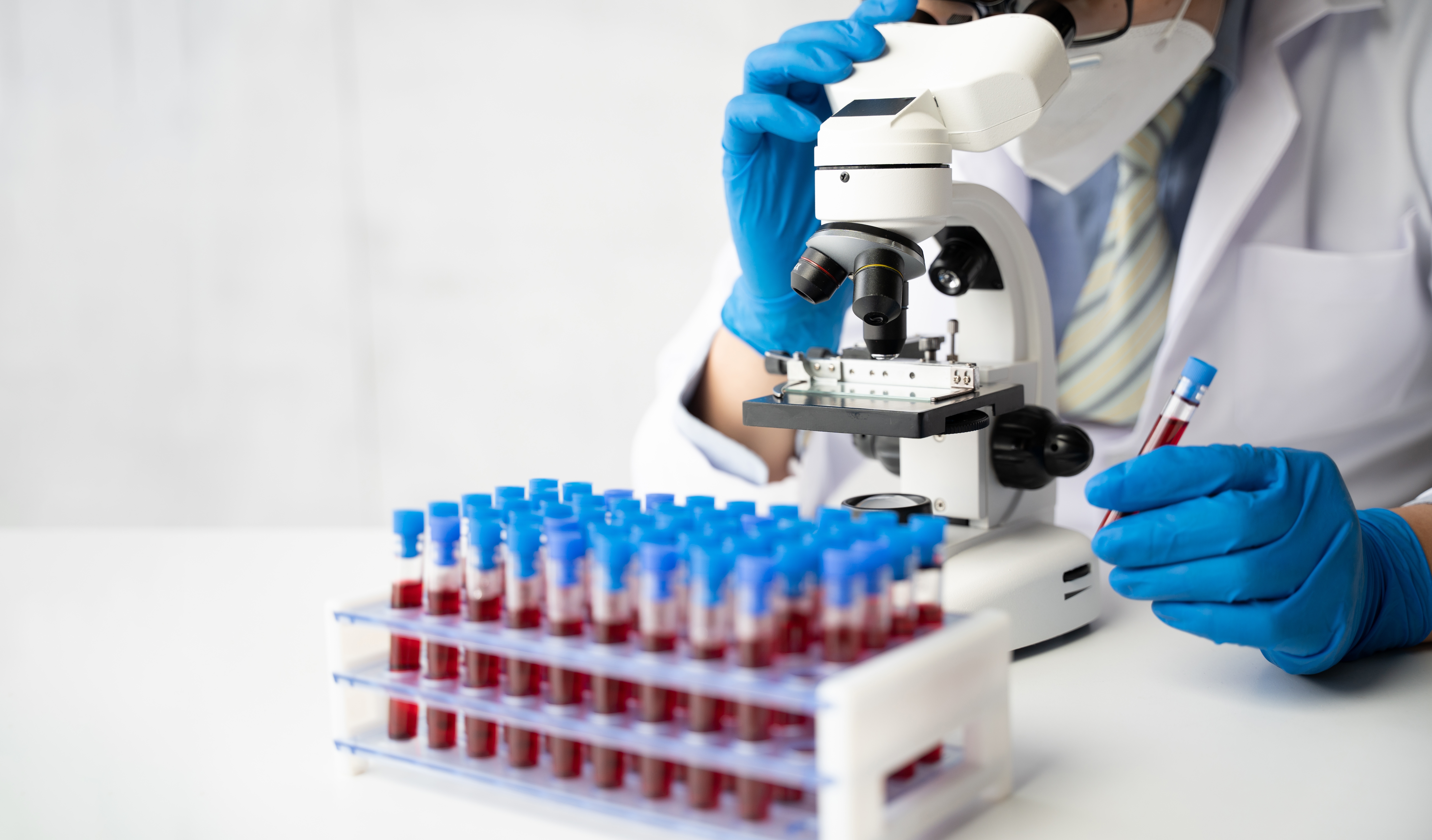
Researchers say they have developed the first accurate blood test to diagnose myalgic encephalomyelitis, also known as chronic fatigue syndrome (ME/CFS).
The condition, which causes severe and persistent exhaustion not relieved by rest, currently has no definitive diagnostic test. Patients are often diagnosed based on symptoms, leaving many undiagnosed or misdiagnosed for years.
The new study, led by Prof Dmitry Pshezhetskiy from the University of East Anglia, could change that. “Our discovery offers the potential for a simple, accurate blood test to help confirm a diagnosis,” he said. “This could lead to earlier support and more effective management.”
Scientists from UEA and Oxford Biodynamics examined how DNA folds inside cells — a pattern that can reveal signs of illness. They analysed blood samples from 47 people with severe ME/CFS and 61 healthy volunteers, discovering a unique molecular signature found only in those with the condition.
Published in the Journal of Translational Medicine, the research reports a test accuracy of 92% sensitivity and 98% specificity, suggesting it can reliably detect ME/CFS while ruling out healthy cases.
“This is a significant step forward,” Pshezhetskiy said. “For the first time, we have a simple blood test that can identify ME/CFS with a high degree of accuracy.”
Alexandre Akoulitchev, chief scientific officer at Oxford Biodynamics, said using “epigenetic markers” — biological changes that occur during a person’s life — was key to achieving such precision.
However, experts have urged caution. Dr Charles Shepherd of the ME Association said more research is needed to confirm whether the test works across all stages of the illness and distinguishes ME/CFS from similar chronic conditions.
Prof Chris Ponting from the University of Edinburgh called the findings “promising but premature,” stressing that the test must be validated by independent studies before clinical use.
Even if proven effective, he noted, the test could be costly — potentially around £1,000 per patient.
Despite the caution, the study marks a major step toward giving ME/CFS patients long-awaited biological proof of their condition — and the possibility of faster, more accurate diagnosis in the future.
