


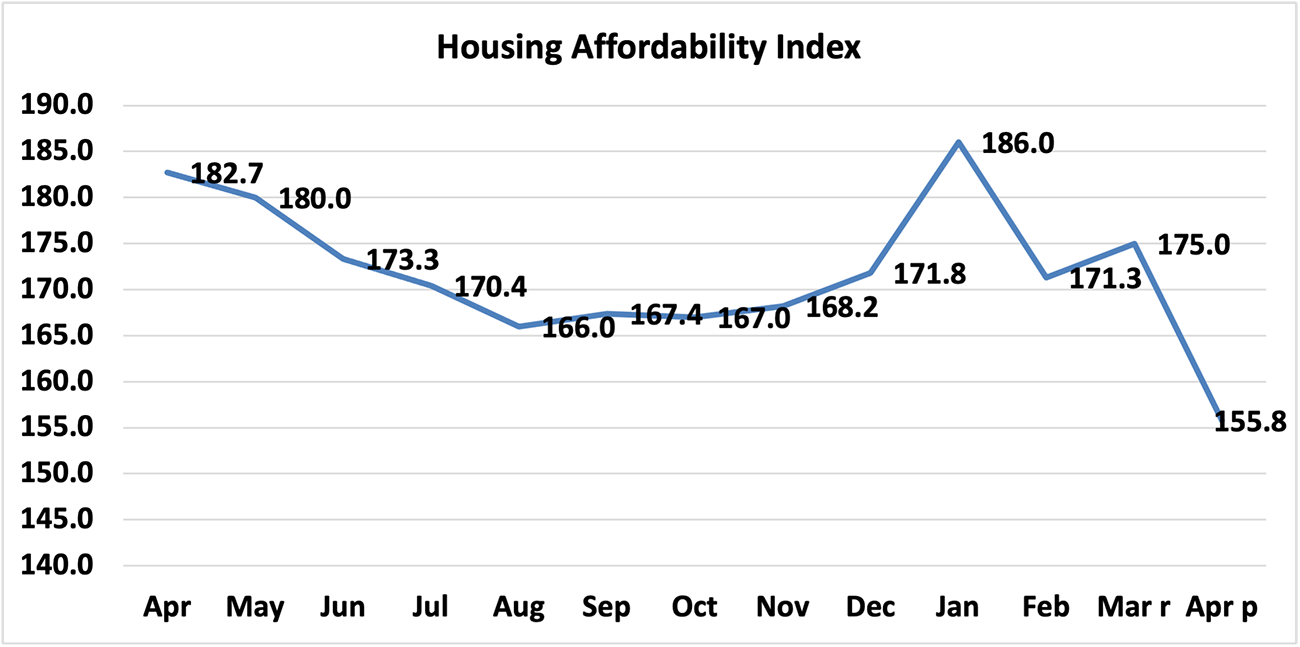
The national housing affordability index has declined, indicating that homes are becoming less affordable for many Americans. Rising prices, higher interest rates, and limited inventory are contributing to the tighter market conditions.
According to recent data, the affordability index, which measures whether the typical family can qualify for a mortgage on a median-priced home, has dropped to its lowest level in several years. This trend highlights growing challenges for first-time buyers and families seeking to move into new homes.
Experts point out that home prices have increased steadily in recent months. While wages have risen modestly, the pace of income growth has not kept up with housing costs, making it more difficult for potential buyers to enter the market. Mortgage rates, which have fluctuated over the past year, also play a significant role in affordability, as even small increases can impact monthly payments.
The decline in affordability is not uniform across the country. Some regions are experiencing more severe challenges than others. Major urban centers, where demand is high and inventory is limited, have seen the largest drops in affordability. In contrast, certain suburban and rural areas remain relatively accessible for buyers with moderate incomes.
Housing analysts say that limited supply is a major factor in the affordability decline. Many markets are facing a shortage of new construction, which has driven up prices for existing homes. Builders are constrained by labor shortages, high material costs, and regulatory challenges, which makes it difficult to increase supply quickly.
First-time buyers are among the most affected by declining affordability. Young families and individuals trying to enter the housing market are often forced to adjust their expectations, looking at smaller homes, less central locations, or longer commutes. Some buyers are also turning to alternative financing options, though these can come with higher costs or added risk.
Government programs aimed at supporting homeownership can provide some relief, but experts caution that these measures are limited in scope. Subsidies, tax credits, and low-interest loan programs help certain buyers, but they are not enough to offset the broader trend of rising costs.
The decline in the housing affordability index may also impact the broader economy. When homes become less affordable, consumer spending can be affected. Families may spend more on housing and less on other goods and services, which could slow economic growth. Additionally, slower home sales may reduce activity in construction, real estate services, and related sectors.
Some analysts suggest that improving affordability will require both policy interventions and increased housing supply. Expanding access to land, streamlining building permits, and supporting cost-effective construction methods could help address the shortage of affordable homes. In addition, wage growth that keeps pace with housing costs would improve the ability of families to buy homes.
Despite the decline in affordability, there are opportunities for buyers who plan carefully. Working with knowledgeable real estate agents, exploring emerging neighborhoods, and considering different mortgage options can help families find homes that fit their budgets.
Overall, the national housing affordability index highlights the ongoing challenges in the housing market. Rising costs, limited supply, and fluctuating interest rates are making homeownership harder for many Americans. Policymakers, builders, and buyers will need to work together to find solutions that restore balance and improve access to housing nationwide.
The current decline underscores the need for continued monitoring of housing trends. As conditions change, understanding affordability levels is crucial for families planning to buy, investors evaluating market opportunities, and officials crafting housing policies.
